Same Energy, Different Outfit: The Art of Having a Signature Style That Never Gets Old

Photo: stylish woman getting dressed open wardrobe colorful organized closet, via img.freepik.com
There's this idea floating around that having a "signature style" means you've basically picked a uniform and committed to wearing it until you die. Beige linen forever. Blazer-and-jeans until the end of time. The same silhouette, rotating through slightly different colorways like some kind of fashion Groundhog Day.
And honestly? That sounds exhausting in a completely different way than having no style at all.
Here's the thing nobody really talks about: the women who always look pulled together — the ones whose closets feel intentional without being boring — aren't doing it through repetition. They're doing it through resonance. There's a difference, and it changes everything about how you approach getting dressed.
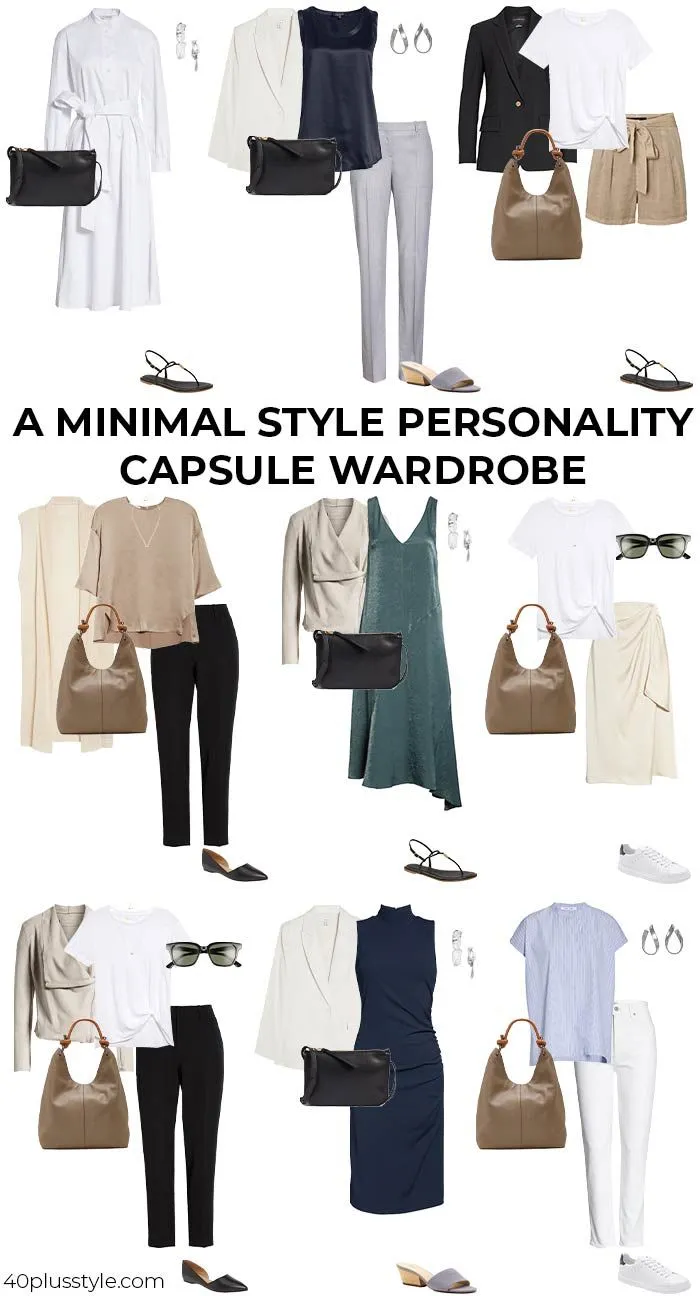
What "Signature Style" Actually Means (Hint: It's Not a Capsule Wardrobe)
Forget the Pinterest boards full of identical neutral outfits. Signature style isn't a formula — it's more like a frequency. Think of it as the vibe your clothes give off before anyone can even articulate why your outfits always look so you.
For some women, that frequency is structured and cool — clean lines, unexpected textures, a quiet authority that reads effortless. For others, it's warmth and movement, lots of layering, colors that feel like a mood board come to life. Neither is more valid than the other. But both are consistent in a way that has nothing to do with wearing the same pair of pants.
The mistake most of us make is trying to build a signature style by nailing down specific pieces. "I'm a slip dress person." "I always wear a blazer." "My thing is wide-leg trousers." These aren't wrong, exactly, but they're the symptom, not the source. The source is something deeper — a set of aesthetic values that you apply across wildly different outfits and still somehow sound like yourself.
The Three Anchors of a Style That Travels
So what are those invisible connectors? In practice, they tend to fall into three categories: color family, silhouette logic, and mood.
Color family doesn't mean wearing the same shades on repeat. It means understanding which part of the color wheel feels like home. Maybe you're drawn to dusty, muted tones regardless of the actual hue — dusty rose, sage, slate blue, warm taupe. Or maybe you gravitate toward deep saturated colors, always reaching for the richest version of whatever you're considering. When your wardrobe operates within a color sensibility rather than a fixed palette, you have enormous variety while still looking cohesive.
Silhouette logic is about understanding which shapes feel like you — and knowing how to mix them without losing your identity. If you love volume on the bottom, you don't have to always wear the same wide-leg trouser. You can do a full midi skirt, a pleated culotte, a draped pant. The shape language stays consistent even as the specific garment changes completely.
Mood is the hardest one to articulate but maybe the most important. It's the emotional register your clothes operate in. Romantic. Architectural. Effortless-cool. Playful-but-sharp. When you know your mood, you can apply it to anything — a cocktail dress, a weekend errand outfit, a work-from-home situation — and still feel like yourself.
Why Constraints Are Actually the Opposite of Boring
This is the counterintuitive part: having a clear aesthetic framework doesn't limit your creativity. It focuses it.
Think about how artists work. A painter who only uses oil on canvas isn't constrained — they're freed to explore every possible variation within that medium. The constraint removes decision fatigue and opens up space for genuine experimentation within a lane that already feels right.
The same thing happens when you dress within your aesthetic anchors. Because you're not starting from zero every morning, you have more mental bandwidth to play. To try an unexpected texture. To push the silhouette a little further than usual. To mix a thrifted find with something precious. The foundation is solid enough that you can take risks on top of it without the whole thing falling apart.
This is why the most stylish women often look like they're having fun with their clothes, not just executing a formula. They're not bored because they're not starting from scratch — they're riffing on something they already understand.
How to Actually Find Your Anchors
If you're not sure what your aesthetic anchors are yet, here's a genuinely useful exercise: go through your phone's camera roll and screenshot every outfit photo you've saved, every Instagram post you've bookmarked, every Pinterest pin you keep coming back to. Don't filter — just collect.
Then look at them all at once. Not one by one, but as a group. Patterns emerge fast. You'll notice the same colors showing up. The same proportions. The same feeling. That's your data.
You might discover you're obsessed with volume and texture but have been buying structured, minimalist pieces because you thought that's what "good style" looked like. Or you might realize you keep reaching for moody, dark palettes even in summer, which tells you something important about your actual taste versus what you think you should like.
The goal isn't to suddenly dress like your Pinterest board. It's to understand the underlying logic well enough that you can apply it to anything — including pieces you already own and haven't been reaching for.
Keeping It Fresh Without Losing Yourself
Once you've got your anchors, the trick is to introduce variety at the right level. New pieces should feel like extensions of your aesthetic, not departures from it.
That might mean experimenting with a new silhouette that still honors your color family. Or trying a trend through the filter of your mood — taking something that's everywhere right now and asking "what's the version of this that feels like me?" Sometimes the answer is nothing, and that's fine. Sometimes it's a specific interpretation that makes the trend actually wearable for your life.
The women who look consistently stylish over years and decades aren't immune to trends — they just run everything through their personal filter first. The trend either fits or it doesn't, and they're not precious about it either way.
That's the real secret. Not a capsule wardrobe. Not a rigid formula. Just a clear enough sense of your own aesthetic that you can make decisions quickly, dress with intention, and still have room to surprise yourself.
Same energy, different outfit. Every single day.