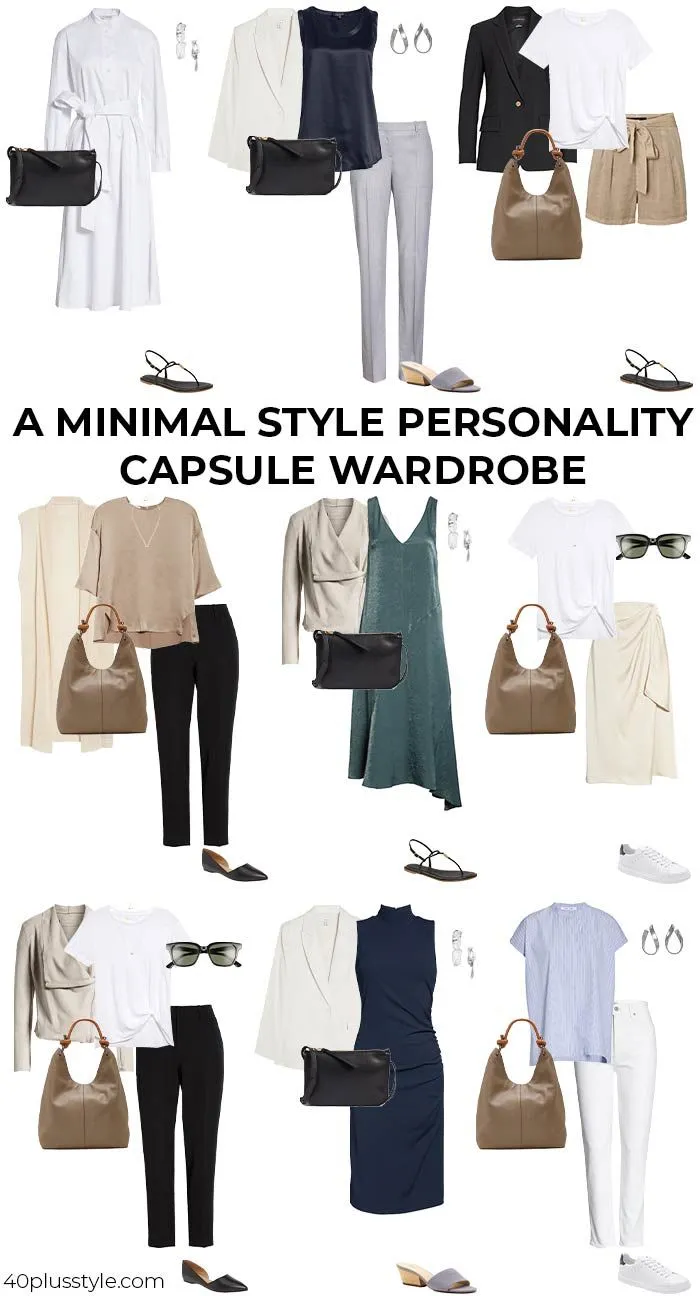
The Tailor Is the Cheat Code Nobody Told You About
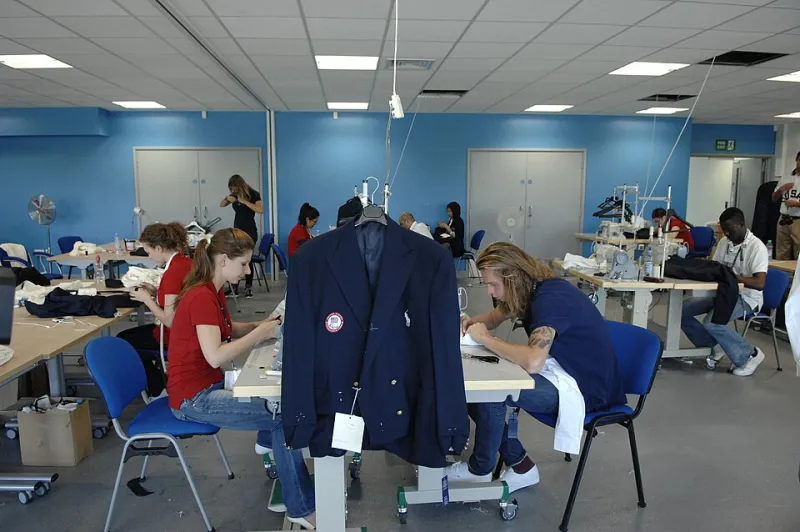
Photo: SFC Tyrone C. Marshall Jr., Public domain, via Wikimedia Commons
There's a moment — you've probably had it — where you put on a piece of clothing and something just clicks. The shoulders sit exactly right. The waist hits in a way that feels like the garment was made for your body specifically. You stand a little taller. You feel, genuinely, like yourself but better.
Now think about how often that moment happens when you're shopping off the rack.
If you're honest? Rarely. And that's not a flaw in your body — it's a flaw in the system. Ready-to-wear clothing is designed to fit a statistical average, which means it fits almost nobody perfectly. We've been conditioned to accept this, to buy things that are close enough and move on, to keep shopping in search of the magic piece that finally feels right.
But what if the magic isn't in the next purchase? What if it's in a seam ripper and a skilled pair of hands?
Why We Overlook the Obvious
Tailoring has an image problem, and it's largely generational. For a lot of younger fashion consumers, alterations feel like something your grandmother did — formal, fussy, reserved for wedding dresses and men's suits. The fast fashion era trained us to treat clothes as disposable, so the idea of investing in a piece by having it altered can feel counterintuitive.
There's also the sticker shock of the unknown. If you've never taken anything to a tailor, you probably have no idea what it costs, how long it takes, or what's even possible. So you don't go. And you keep buying things that almost fit, wearing them anyway, and wondering why your wardrobe doesn't feel as good as it looks on the hanger.
Here's the reframe: tailoring isn't an extra expense. It's the thing that makes your actual expenses worthwhile.
The Fit Problems You've Learned to Ignore
Let's get specific, because this is where things get real.
The gaping button-down. You love the print, the fabric, the collar — but across the chest it pulls and gaps and you spend the whole day tugging at it. A tailor can take in the side seams and add a snap or two behind the buttons. Cost: usually $15–$30. Result: a shirt you'll actually wear.
Trousers that bag in the seat. You bought them because the waist fit, but the back looks like you're storing something in there. A seat alteration — taking in excess fabric through the back rise — is one of the most common fixes and one of the most transformative. Suddenly those pants look intentional, tailored, expensive.
The blazer with sleeves that swallow your hands. Sleeve shortening is one of the easiest, most affordable alterations out there (often $15–$25 per sleeve), and it is absolutely the difference between a blazer that looks like you borrowed it and one that looks like it was made for you.
Dress length. That midi dress that hits at the widest point of your calf? Hem it two inches shorter and it might become your favorite thing you own. Length is everything, and it's almost always fixable.
The waist that needs definition. A structured dress or jacket with no waist shaping can feel shapeless on bodies that want definition. Taking in the side seams at the waist — sometimes as little as half an inch on each side — creates a completely different silhouette.
What to Bring to a Tailor First
If you've never been, don't walk in with a pile of fifteen items and no plan. Start with one or two pieces you already love but never wear because the fit is off. A blazer you bought because the color was perfect. Trousers that were a great deal but hang wrong. Something with emotional or financial value that you want to actually use.
When you go, wear the shoes you'd wear with the item. Bring any shapewear or layers you'd typically have on underneath. Be honest with the tailor about what bothers you — they're not going to judge your body, they're going to solve a construction problem. That's literally their job, and good tailors love it.
Find your tailor the way you'd find any local gem: ask friends with great wardrobes, check Google reviews, look for dry cleaners with in-house alteration services (often more affordable than standalone ateliers). Many cities also have independent tailors — frequently immigrant-owned small businesses with decades of craft expertise — who are both skilled and reasonably priced.
The Confidence Compound Effect
Here's what nobody tells you about wearing clothes that truly fit: it changes how you move through the world. You stop tugging. You stop crossing your arms to hide the gap. You stop thinking about what you're wearing because it just works, which frees up mental and emotional space for literally everything else.
This is what the shopping-first mentality keeps us from understanding. We think the solution to not feeling good in our clothes is more clothes. But more clothes that don't fit is just more noise. One piece that fits perfectly — even a $30 thrifted find that's been altered for $20 — will do more for your confidence and your style than a full cart of fast fashion ever could.
A New Way to Shop
Once you start thinking like someone who tailors, your entire approach to shopping shifts. You stop ruling things out because the waist is slightly big or the sleeves are slightly long. You start seeing potential where you used to see problems. You buy the vintage blazer with the incredible structure, knowing you'll get the sleeves shortened. You grab the sale trousers in a size up because you know a tailor can take in the seat.
You become, in the best possible way, a person who knows how clothes actually work.
And that knowledge? It's more valuable than anything you'll find in a new collection. It's the thing that makes you look like you've always known exactly what you're doing — because eventually, you will.